について Cold Sake (Reishu)
Chilled sake — premium ginjo or daiginjo served cold
How to Make Cold Sake (Reishu) (Traditional & Healthy Version)
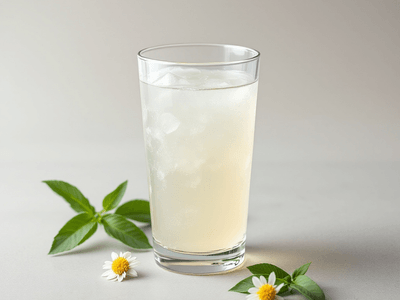
Cold Sake, known in Japan as Reishu (冷酒), is a refined and refreshing beverage that embodies the elegance of Japanese culinary culture. Sake, a traditional Japanese rice wine, is crafted by fermenting polished rice, water, koji (a special mold), and yeast. When served chilled, Reishu enhances the subtle umami notes and delicate aromas, offering a smooth, clean taste that is especially popular during the warmer months in Japan. Sake has deep roots in Japanese history, often enjoyed during celebrations, cherry blossom viewing (hanami), and elegant kaiseki meals. Reishu is not only a symbol of Japanese craftsmanship but also a testament to the seasonality and attention to detail that define Japanese cuisine. The experience of drinking cold sake is as much about presentation as it is about flavor. Served in small ochoko (sake cups) or glassware, often with a garnish of fresh yuzu peel or a sakura petal, Reishu brings a touch of artistry to any table. Its light, crisp profile pairs beautifully with seasonal Japanese dishes, making it a sophisticated, health-conscious choice for those seeking an authentic taste of Japan.
材料(120 ml per serving (standard ochoko or small sake glass)分)
- 240 ml Premium sake (junmai or ginjo) (純米酒 or 吟醸酒)
- 30 ml Filtered water (for optional dilution) (軟水 (soft water) preferred) - オプション
- 1 strip Yuzu peel (柚子皮, for garnish) - オプション
- 1 petal Sakura petal (桜の花びら, for seasonal presentation) - オプション
- as needed Ice cubes (For chilling sake bottle, not to dilute) - オプション
- 1 leaf Fresh shiso leaf (紫蘇, for aroma (optional)) - オプション
- 2 thin slices Cucumber slice (For garnish) - オプション
- small pinch Edible gold leaf (金箔, for festive presentation) - オプション
作り方
- 1
Select a high-quality sake such as junmai or ginjo for the best umami flavor. Avoid highly fortified or sweet varieties.
2 minutes
Choose sake from a reputable brewery for authentic taste.
- 2
Chill the sake bottle in the refrigerator for at least 2 hours, or place it in a bowl of ice water for 15 minutes before serving.
15 minutes
Do not add ice directly to the sake to avoid dilution.
- 3
Prepare your serving ware: use small glass ochoko or sake cups. For a refined touch, rinse the cups with cold water before pouring.
3 minutes
Chilled cups help maintain sake's temperature and aroma.
- 4
Optional: For a lighter version, dilute sake with a small amount of filtered soft water (up to 15% of total volume).
2 minutes
Diluting with soft water can open up subtle flavors.
この料理が健康的な理由
This Cold Sake (Reishu) recipe is a healthy choice due to its minimal ingredients, vegan-friendly profile, and absence of added sugars or artificial flavors. Choosing premium sake ensures a clean fermentation process with fewer additives. The garnishes are all-natural and enhance both aroma and visual appeal without extra calories. Served in small portions, Reishu aligns perfectly with mindful, moderate consumption.
Cold Sake (Reishu) is naturally low in fat and cholesterol-free, making it a light beverage option. Sake contains amino acids that contribute to its umami flavor and may support overall wellness. When consumed in moderation, sake can fit into a balanced diet, offering trace minerals such as magnesium and potassium. The optional garnishes like yuzu peel and shiso leaf add antioxidants and subtle vitamins, elevating both the nutrition and presentation of your drink.
プロのヒント
- 💡Tip 1: Use premium sake for the best umami and aroma.
- 💡Tip 2: Chill both the sake and serving cups to maintain temperature.
- 💡Tip 3: Experiment with seasonal garnishes like yuzu or sakura for a festive touch.
保存と提供
Store unopened sake in a cool, dark place. Once opened, refrigerate and consume within 1 week for optimal freshness and flavor.
最適な提供方法: Lunch or Dinner
栄養成分
| 栄養素 | 100gあたり |
|---|---|
| エネルギー | 103.0 kcal |
| タンパク質 | 0.4 g |
| 炭水化物 | 3.6 g |
| 総脂質 | 0.0 g |
| 食物繊維 | 0.0 g |