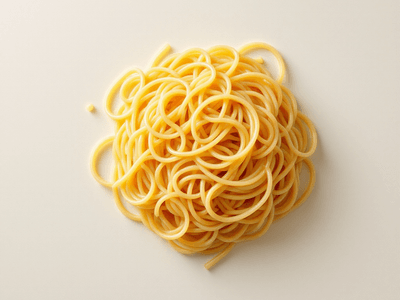
について Naporitan (Japanese Spaghetti)
Ketchup spaghetti with sausage, peppers, and onion — pure yoshoku
How to Make Naporitan (Japanese Spaghetti) (Traditional & Healthy Version)
Naporitan (ナポリタン), also known as Japanese Spaghetti, is a beloved yoshoku (Western-influenced Japanese) dish that originated in Yokohama in the post-war era. Developed by chefs at the Hotel New Grand, this vibrant pasta brings together spaghetti, sautéed vegetables, ham, and a tangy tomato ketchup-based sauce. Unlike its Italian cousins, Naporitan embraces a uniquely Japanese twist, focusing on accessible ingredients and a satisfying umami depth. The taste is a harmonious blend of sweet, savory, and slightly smoky notes from sautéed onions, bell peppers, and mushrooms. Japanese-style ham and a touch of Worcestershire sauce add layers of complexity. This dish is a staple in Japanese cafés (kissaten) and is enjoyed by all generations, making it a nostalgic lunch favorite. Its cheerful appearance and comforting flavor profile make it an ideal choice for family meals, quick lunches, or bento boxes. Naporitan is also perfect for calorie-conscious eaters seeking a lighter, healthier version of a classic.
材料(1 medium bowl or 180g cooked spaghetti per serving分)
- 160g Spaghetti (Japanese or thin spaghetti)
- 1/2 medium Onion (sliced thinly)
- 1/2 Green bell pepper (seeded, sliced)
- 2 Shiitake mushrooms (fresh, sliced)
- 40g Ham (Japanese-style, cut into strips)
- 3 tbsp Tomato ketchup (Japanese ketchup preferred)
- 1 tsp Worcestershire sauce (Japanese type (ウスターソース))
- 1 tbsp Olive oil (or neutral oil)
- to taste Salt
- to taste Black pepper (freshly ground)
- 1 tbsp Parsley (finely chopped, for garnish) - オプション
- 1 tbsp Grated Parmesan cheese (optional, for serving) - オプション
作り方
- 1
Bring a large pot of salted water to a boil. Add spaghetti and cook according to package instructions until al dente. Drain and rinse lightly to stop the cooking.
10 minutes
Undercook spaghetti by 1 minute for perfect texture as it will cook further in the sauce.
- 2
Heat olive oil in a large frying pan over medium heat. Add sliced onion and sauté until translucent.
2 minutes
Stir frequently to prevent browning and ensure sweetness.
- 3
Add green bell pepper, shiitake mushrooms, and ham. Stir-fry until vegetables are tender and ham is slightly browned.
4 minutes
Use seasonal vegetables for enhanced flavor and nutrition.
- 4
Reduce heat to low. Add cooked spaghetti to the pan. Pour in tomato ketchup and Worcestershire sauce. Toss everything well to coat the noodles evenly.
2 minutes
Mix quickly to avoid sticky noodles and ensure even sauce distribution.
この料理が健康的な理由
This Naporitan recipe uses minimal oil, lean protein, and generous seasonal vegetables, making it a lighter yet satisfying lunch. By avoiding heavy cream or excessive cheese, the calorie count is kept low without sacrificing umami flavor. Suitable for calorie counters and those watching their macros, this healthy version of Japanese Spaghetti is both filling and nutritious.
Naporitan is a balanced meal combining complex carbohydrates from spaghetti, lean protein from ham, and essential vitamins from seasonal vegetables like bell peppers and shiitake mushrooms. Mushrooms are rich in immune-boosting nutrients, while bell peppers provide vitamin C and antioxidants. Using olive oil adds heart-healthy fats. This dish is moderate in calories and fat, especially when using lean ham and controlling the amount of cheese. It is also a good source of dietary fiber and B vitamins.
プロのヒント
- 💡Tip 1: Slightly undercook spaghetti for perfect café-style texture.
- 💡Tip 2: Use Japanese ketchup for authentic sweetness and umami.
- 💡Tip 3: Add seasonal vegetables like asparagus or spinach for variation and nutrition.
保存と提供
Store leftover Naporitan in an airtight container in the refrigerator for up to 2 days. Reheat gently in a pan or microwave, adding a splash of water if needed to loosen the sauce.
最適な提供方法: Breakfast or Lunch
栄養成分
| 栄養素 | 100gあたり |
|---|---|
| エネルギー | 160.0 kcal |
| タンパク質 | 6.0 g |
| 炭水化物 | 24.0 g |
| 総脂質 | 4.0 g |
| 食物繊維 | 2.0 g |